The Need for Disability Insurance for Veterinarians
Many people think of a car accident when they force themselves to think about ways they could become disabled, but the reality is 90% of long-term claims result from illness2. Cancer, heart disease, stroke, and mental or nervous disorders are all leading causes of long-term disabilities. Accidents do happen, but the truth is an illness is the most likely reason you would need to own a disability insurance policy. A couple of other relevant statistics for you are;
- 1 in 4 will experience a disability during your working years3
- The average duration of a long-term disability is 2.5 years4
While a bite from a dog is probably not going to cause an issue for you, large animal vets have more risk involved in the animals they work with which is why they have a Class 3M instead of the 5M.
Why is Provider Choice a Great Policy for Veterinarians?
There really is no other single policy available in the industry today that can say they offer better protection, we believe this to be the best coverage you can own to protect your income and your family. The core of any policy on the market is the definition of total disability, that is what determines if you collect your total monthly benefit. Guardian's definition of total disability is a true own-occupation definition of disability. This means that if you can't do your duties as a veterinarian, you could receive your full monthly benefit, even if you could do something else like teach veterinary medicine. This alone is the number one reason to choose Guardian as a veterinarian.
Additional Needs if You Own The Practice or Clinic
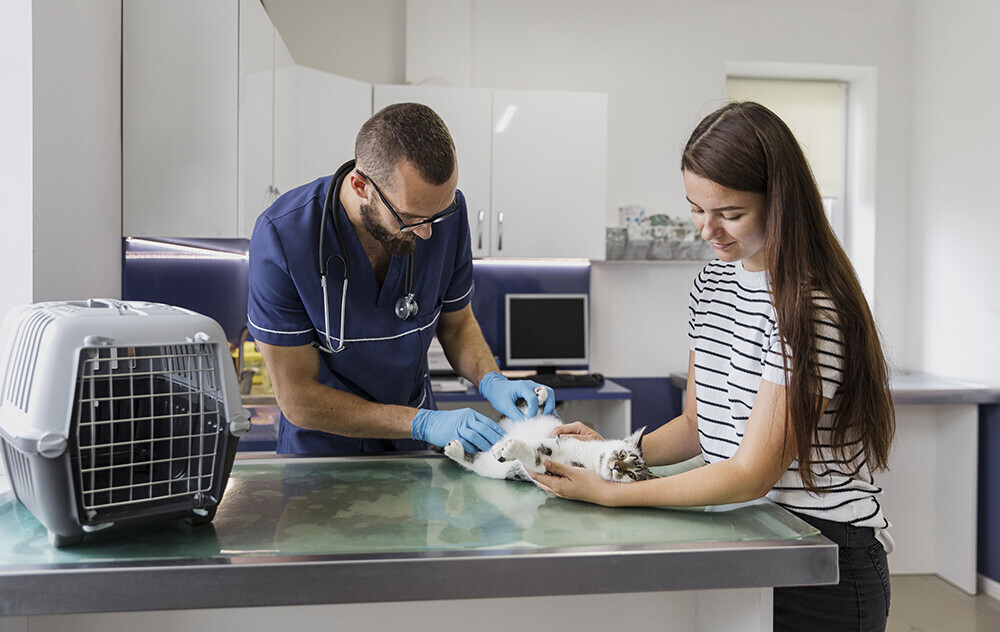 Depending on the size of your practice or clinic, the success of the business may depend on your ability to show up every day. Your personal disability insurance policy is designed to replace a portion of your income should you become sick or injured, it should not go towards paying the bills at your practice. An Overhead Expense policy is a separate type of policy designed to reimburse you for any deductible overhead expenses you pay during a disability. It can cover;
- Rent
- Employee Salaries
- Utilities
- Insurance Premiums
- Replacement Vet Costs
The money you pay for an Overhead Expense policy is deductible as an ordinary business expense as well. We do not offer a calculator on this site for this policy, but if you fill out a quote request for your personal coverage you will be assigned an agent in our office who is available to run a proposal for you. Just give him a call anytime and ask for an Overhead Expense proposal as well.
1 Individual disability income products underwritten and issued by Berkshire Life Insurance Company of America (BLICOA), Pittsfield, MA. BLICOA is a wholly owned stock subsidiary of The Guardian Life Insurance Company of America (Guardian), New York, NY. Product provisions and availability may vary by state.
2https://disabilitycanhappen.org/disability-statistic/
3U.S. Social Security Administration Fact Sheet, December 2018
42011 Gen Re U.S. Individual DI Risk Management Survey.



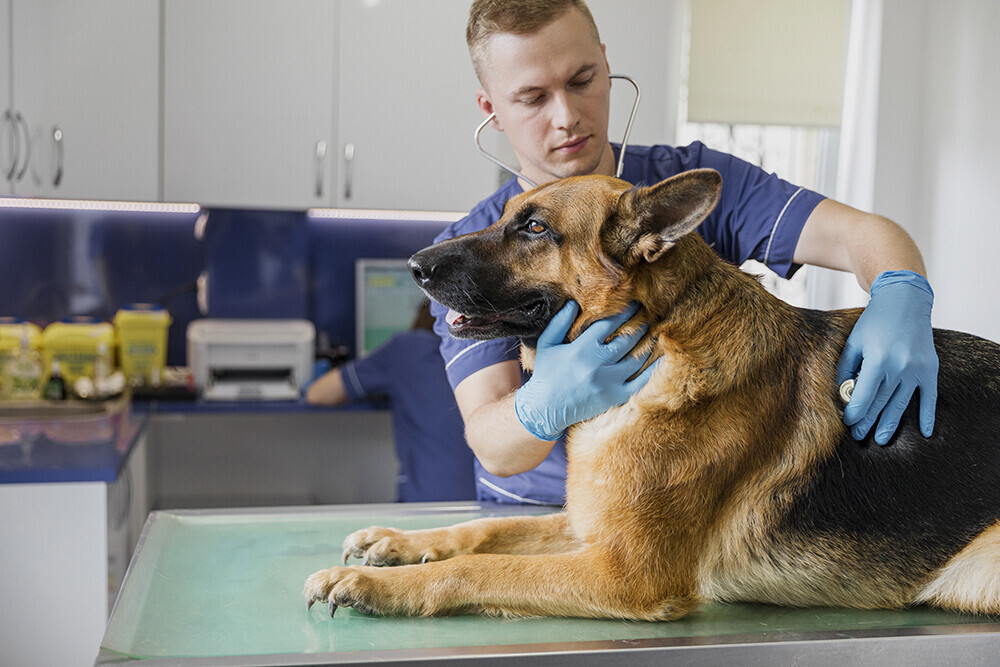 Every disability insurance company uses something called an occupation class system, Guardian offers disability insurance for small animal veterinarians a class 5M, and a large animal vet gets a 3M. This means small animal vets pay less than a large animal vet, but both can get a high-quality policy from Guardian1 to protect your income. If you review the information on this page, you will see why Guardian's Provider Choice disability insurance policy is the best choice for a veterinarian on the market today.